Why Your YouTube Monetization Gets Rejected? (Top Mistakes 2026)

Learn the most common mistakes that delay approval, reduce earnings, or get channels rejected – and how to avoid them to grow faster.

YouTube monetization rejection notice on computer screen

The most common YouTube monetization mistakes include using reused or unoriginal content, ignoring YouTube policies, applying before meeting full eligibility, and relying only on low-RPM content. Creators also lose earnings by not optimizing video length, audience location, and engagement. Avoiding these mistakes helps you get approved faster and increase revenue.

Why Monetization Rejection Happens (Even to Good Channels)

You've put months of work into your YouTube channel. You hit 1,000 subscribers and 4,000 watch hours. You apply for monetization, full of hope. Then the email arrives: "Your channel is not eligible." It's frustrating, but it's also fixable. Most rejections happen because of a few predictable mistakes.

In this guide, I'll walk you through the most common reasons YouTube rejects monetization applications, share my own experience of getting rejected (and how I fixed it), and give you a step‑by‑step plan to get approved. These tips are based on real creator stories and YouTube's official policies – no fluff, no fake promises.

Who This Guide Is For

  • Creators who were rejected and don't know why
  • Channels preparing to apply for the YouTube Partner Program (YPP)
  • Anyone confused by "reused content", "duplication", or policy strikes
  • Indian creators wanting to avoid common pitfalls
YouTube Studio monetization page with error

My Own Rejection Story (And What I Learned)

When I linked my AdSense in early 2026, I was confident. I had 1,100 subscribers, 4,200 watch hours, and a channel full of tutorial videos. But two weeks later, I received the rejection email: "Reused content." I was devastated – I created everything myself.

Common mistake I made: I had used short clips from popular movies (under 5 seconds each) to illustrate examples in three of my videos. I thought "fair use" and "giving credit" would protect me. They didn't. YouTube's review team flagged those clips as reused because they weren't sufficiently transformed. I also had two compilation videos where I stitched together other creators' clips with minor commentary.

I deleted those problematic videos, created five new original videos (face‑to‑camera tutorials with no third‑party clips), waited 30 days, and reapplied. The second time, I was approved within 10 days. Many creators face this – the key is to understand that even small amounts of reused content can trigger a rejection.

This guide shares what I learned and how you can avoid making the same mistakes.

Top 5 Mistakes That Get Monetization Rejected

  1. Reused Content (The #1 Killer)

    Any video that contains clips, images, or audio from other creators without significant original transformation will be flagged. This includes movie clips, TV show snippets, viral video compilations, and even short memes. Fix: Remove all reused content. Create 100% original videos where you appear, speak, or add substantial editing and commentary.

  2. Low‑Quality or Automated Content

    Slideshows with text and music, auto‑generated voiceover, or content that adds little value (e.g., "shorts compilation without commentary") often gets rejected. YouTube wants high‑effort, educational, or entertaining content. Fix: Invest in a decent microphone, show your face, provide unique insights, and avoid template‑style videos.

  3. Active Community Guidelines or Copyright Strikes

    Even one active strike can block monetization. Expired strikes may also cause manual review delays. Fix: Go to YouTube Studio → Content → Copyright. Resolve all strikes. Wait until your channel has no active issues for at least 30 days before reapplying.

  4. Misleading Metadata or Clickbait

    Titles, thumbnails, or descriptions that don't match the video content are a red flag. YouTube's reviewers check for honesty. Fix: Ensure every thumbnail and title accurately represents the video. Avoid exaggerated claims like "you won't believe what happens next".

  5. Invalid Watch Time or Subscribers

    If you gained watch hours through sub‑for‑sub, view‑for‑view, or suspicious sources, YouTube will remove those hours. Some channels apply as soon as they cross the threshold, but if the growth looks unnatural, it triggers a manual review. Fix: Focus on organic growth. Let your content naturally attract viewers. Avoid any artificial boosting services.

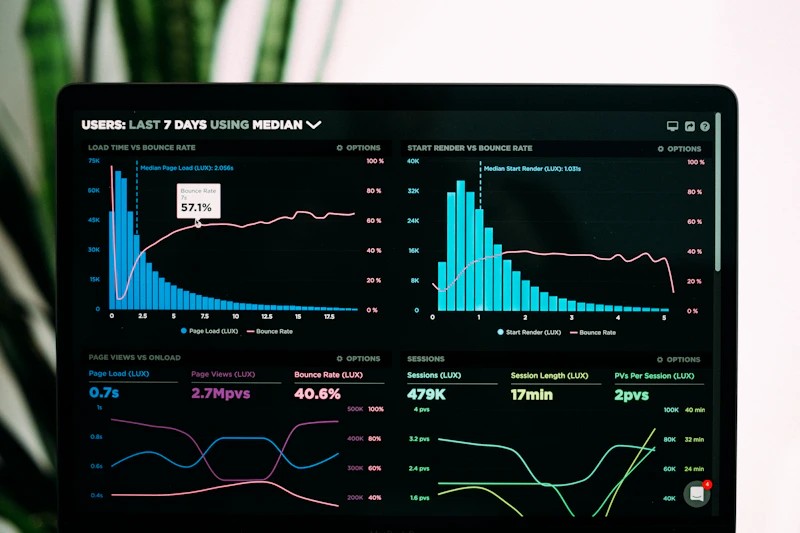
Analytics dashboard on a laptop screen

How to Fix a Rejection – Step‑by‑Step Action Plan

  • Step 1: Read the rejection email carefully. It usually specifies the reason (e.g., "reused content" or "policy violations").
  • Step 2: Audit every video on your channel. Identify any reused clips, low‑effort content, or potential policy issues.
  • Step 3: Delete or set to private any problematic videos. Do not just unlist – private or delete them to signal YouTube you've cleaned up.
  • Step 4: Create 3–5 brand new, 100% original videos. Show your face, add voiceover, provide unique value. This proves you can produce compliant content.
  • Step 5: Wait 30 days after cleaning. YouTube needs to see consistent compliance over time.
  • Step 6: Reapply through YouTube Studio → Monetization. Be patient – review usually takes 1–2 weeks.
Real example: A creator with 15k subs was rejected twice for reused content. After deleting 20 compilation videos and making 10 original tutorials, he was approved on the third try.
Creator working at desk

Is Monetization Worth the Hassle? Pros and Cons

✅ Pros

  • Earn from ads, memberships, Super Thanks
  • Access to Creator Support and advanced analytics
  • Official partner status (more opportunities)
  • Ability to use YouTube Shopping (if eligible)

⚠️ Cons

  • Strict content guidelines – one strike can suspend earnings
  • Manual review process can be stressful
  • Revenue fluctuates with ad demand
  • Need to maintain consistent quality
Team collaborating

3 Myths That Lead to Rejection

  • ❌ Myth 1: "I gave credit, so it's fine."
    Crediting the original creator does not give you legal permission. YouTube requires explicit rights or content that is fully original.
  • ❌ Myth 2: "Fair use protects any short clip."
    Fair use is a legal defense, not an automatic right. YouTube's reviewers often err on the side of caution and flag reused clips, especially if they're not transformative.
  • ❌ Myth 3: "I can reapply immediately after deleting a few videos."
    YouTube needs to see that your channel has changed. Wait at least 30 days after cleaning your channel before reapplying.

Frequently Asked Questions

What is the most common reason for YouTube monetization rejection?
Reused content is the most common reason. This includes using clips from movies, TV shows, or other creators without significant original commentary or transformation.
Can I reapply after being rejected?
Yes, you can reapply after 30 days. Use that time to fix the issues – delete problematic videos, create new original content, and ensure your channel complies with all policies.
Does giving credit make reused content acceptable?
No. Giving credit does not grant permission. YouTube requires explicit rights or content that is fully original. Credit alone is not enough.
How can I avoid 'low quality content' rejection?
Avoid automated slideshows, repetitive videos, or low‑effort compilations. Invest in good audio/visual quality, add voiceover or face‑to‑camera segments, and provide genuine value.
What should I do immediately after a rejection?
Read the email carefully, audit your channel, delete or private any policy‑violating videos, create several new original videos, and wait 30 days before reapplying.
MR

Md Rehan

Digital content creator based in Odisha, India. I write educational guides about YouTube monetization and digital platforms based on research and practical learning. This guide is based on my own experience with rejection and helping other creators fix their channels.

📌 Disclaimer: This guide is for educational purposes only. YouTube policies may change. Always refer to the official YouTube Help Center for the most current information. Last updated: April 2026.
```