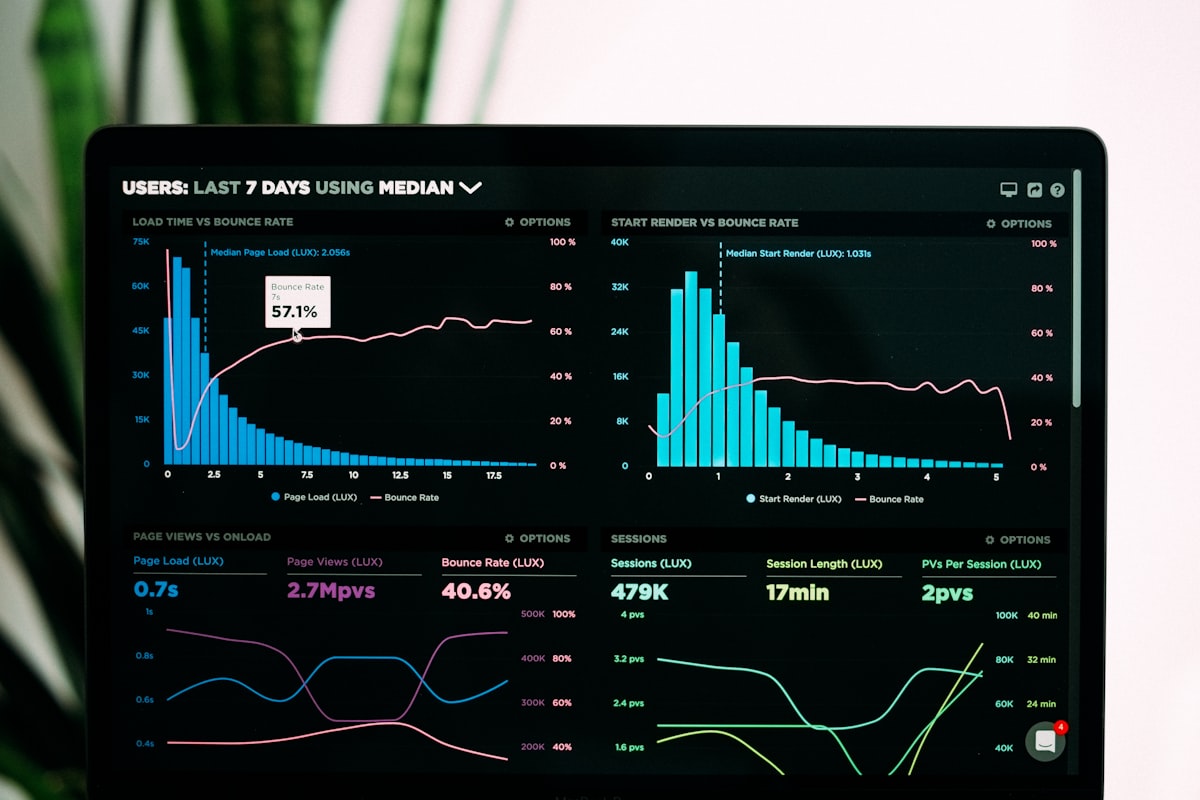
Let me tell you something most analytics "experts" won't admit: 90% of people checking real-time analytics are doing it wrong. They're staring at numbers without understanding what they actually mean. I've been tracking websites since 2018, back when real-time meant "5-10 minute delay" and we thought that was revolutionary.
In 2026, real-time analytics has evolved into something completely different. It's not just about seeing visitors on your site right now. It's about understanding intent, predicting behavior, and making instant decisions that affect conversion rates. When I launched my e-commerce store in 2023, I watched real-time analytics like a hawk during our first big sale. I saw people adding items to cart, then abandoning. With 2026 tools, I would have known why instantly and could have triggered personalized offers to save those sales.
Here's What Changed in 2026: Real-time analytics now includes AI predictions, sentiment analysis (yes, we can guess how visitors feel about your content), and cross-platform tracking that actually works. The old Google Analytics real-time view? Basically a toy compared to what's available now. And the best part? Most of these tools are affordable or even free.
The biggest shift I've noticed is that real-time data in 2026 is actionable, not just informative. Back in 2024, you'd see "10 visitors on site" and think "cool." Now you see "10 visitors: 3 from Facebook ads (high intent), 4 organic search (research phase), 2 email subscribers (ready to buy), 1 direct (probably returning customer)." That's the level of detail we're working with now.
Before we dive into the how-to, let's clear up a common misconception: Real-time analytics won't make you successful by itself. It's a tool, not a strategy. But used correctly, it's like having a live feed of your customers' thoughts. And in 2026's competitive market, that advantage is everything.